Walnut Processing Guidelines
2026-03-13

The walnut industry is undergoing a transformative phase where precision and food safety are no longer optional—they're essential. With the global demand for walnuts surging, especially in premium markets, the processing stage has become a critical control point that determines not only the nutritional value but also the safety and marketability of the final product.This article dives into the essential precautions that modern walnut processors must adopt, building on the fundamental processing steps—Impurity Removal, Size Grading, Shell Cracking, Size Separation, Shell Separation, and Color Sorting—to ensure that each walnut kernel meets the highest standards of quality and safety.
🛡️ Why Precautions Matter
Walnuts are rich in polyunsaturated fatty acids, making them highly susceptible to oxidation. Moreover, their hard shells and delicate kernels pose unique challenges. Improper handling can lead to:- Microbial Contamination: Especially when moisture is not properly controlled.
- Physical Damage: High breakage rates reduce yield and affect market price.
- Chemical Risks: Residues from cleaning agents or equipment wear can compromise safety.
🏭 Core Processing Steps
Before diving into precautions, it's crucial to understand the workflow:- 1. Impurity Removal: Eliminating stones, twigs, and foreign objects.
- 2. Size Grading: Sorting nuts by weight and diameter.
- 3. Shell Cracking: Breaking the hard shell without crushing the kernel.
- 4. Size Separation: Categorizing kernels by size.
- 5. Shell Separation: Removing shell fragments from kernels.
- 6. Color Sorting: Ensuring uniform appearance for market appeal.
🧹 1. Impurity Removal & Cleaning: The First Line of Defense
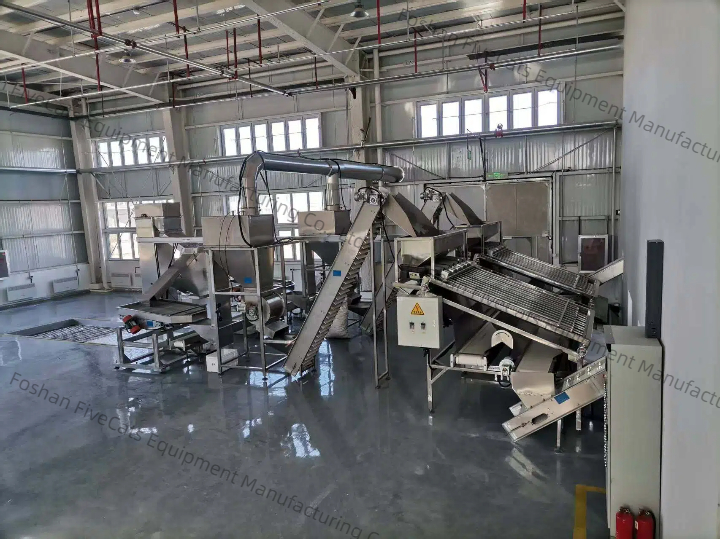
While the initial removal of large impurities (stones, twigs) is often mechanical, fine cleaning is critical. Residual soil or pesticide residues can harbor pathogens.
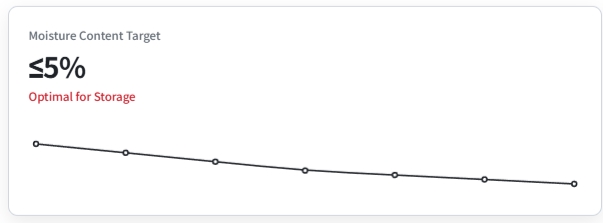
- Hydration Control: After cleaning, nuts must be dried promptly. Excess moisture can cause kernels to swell and crack, or promote mold growth.
- Water Quality: Use clean, preferably filtered water. In some processes, a brief soak helps loosen dirt, but the water must be changed regularly to prevent cross-contamination.
⚖️ 2. Size Grading & Separation: Precision Sorting
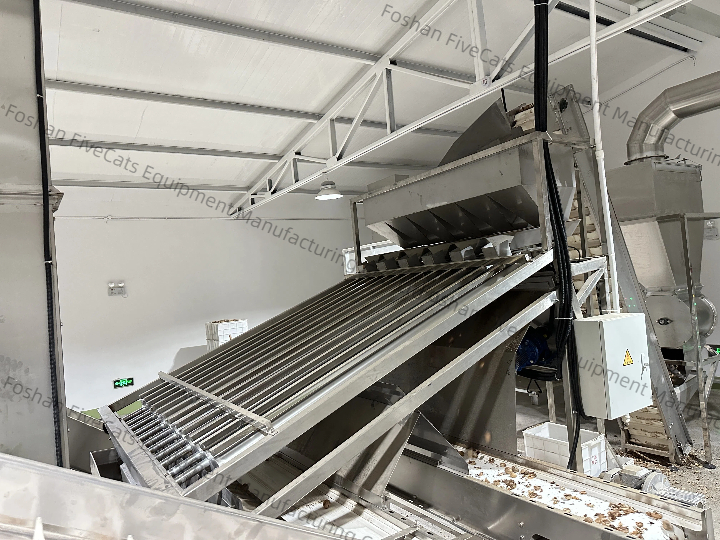
Accurate size grading ensures uniform roasting and packaging.- Material Segregation: Different size grades often have distinct moisture levels and must be stored separately to avoid quality dilution.
🔨 3. Shell Cracking: Balancing Force and Fragility
Shell cracking is arguably the most delicate stage. Overly aggressive cracking can pulverize the kernel, while insufficient force leaves shells intact.- Temperature Management: Some advanced systems pre-heat shells to make them brittle, reducing the force needed and minimizing kernel damage.
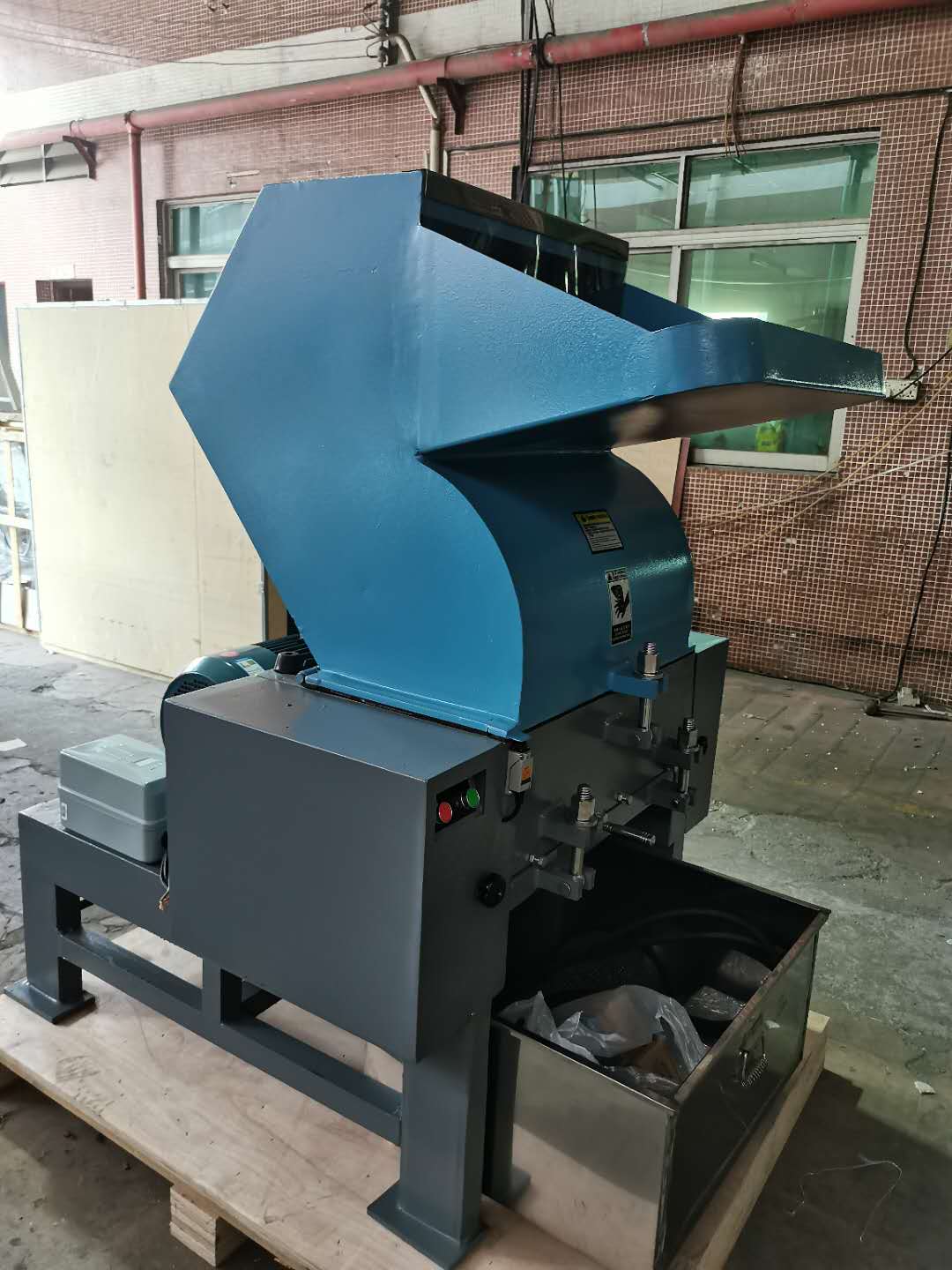
- Equipment Maintenance: Blades and rollers must be sharp and free from rust. Dull equipment not only reduces efficiency but can introduce metal fragments into the product.
- Safety Protocols: Operators should wear protective gear. The high-speed nature of cracking machines poses a risk of hand injuries if safety guards are bypassed.
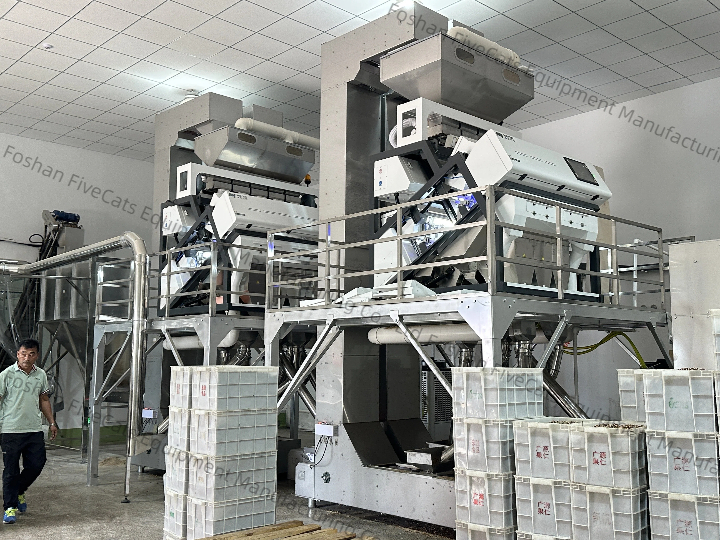
🎨 4. Color Sorting & Final Inspection
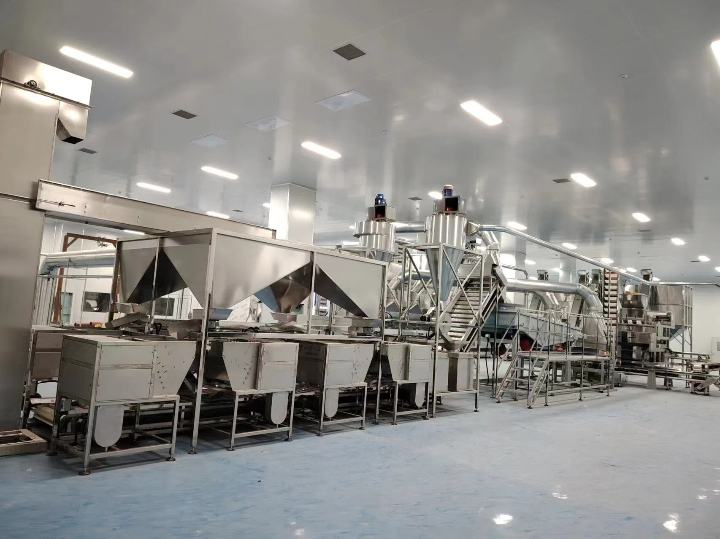
The final visual inspection ensures marketability.- Final Functions: Filter out bad fruits, dark fruits, insect-infested fruits, and partially ungraded broken kernels.
- Oxidation Prevention: Store sorted kernels in a cool, dark environment. Exposure to air and light accelerates oxidation, leading to a bitter taste and off-color.
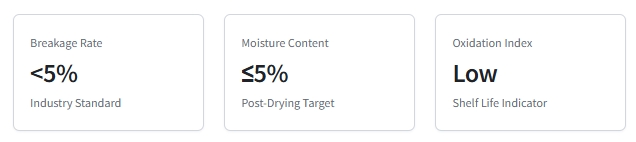
📊 Industry Insight: Quality Control Metrics
Modern facilities track key performance indicators (KPIs) to maintain standards.
Global Walnut Processing Market: Trends, Opportunities, and the Path Forward
What are the processing steps for walnuts?